


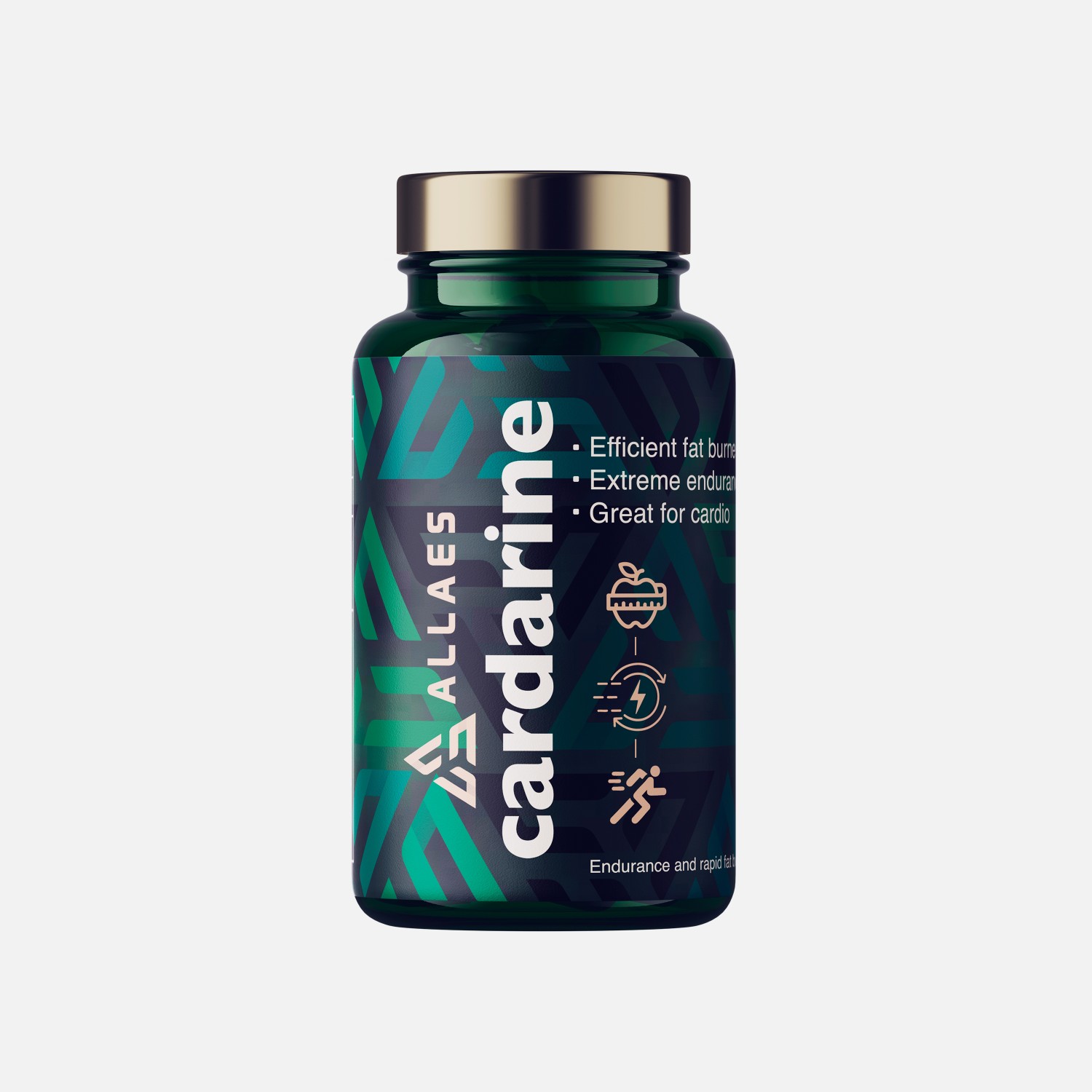
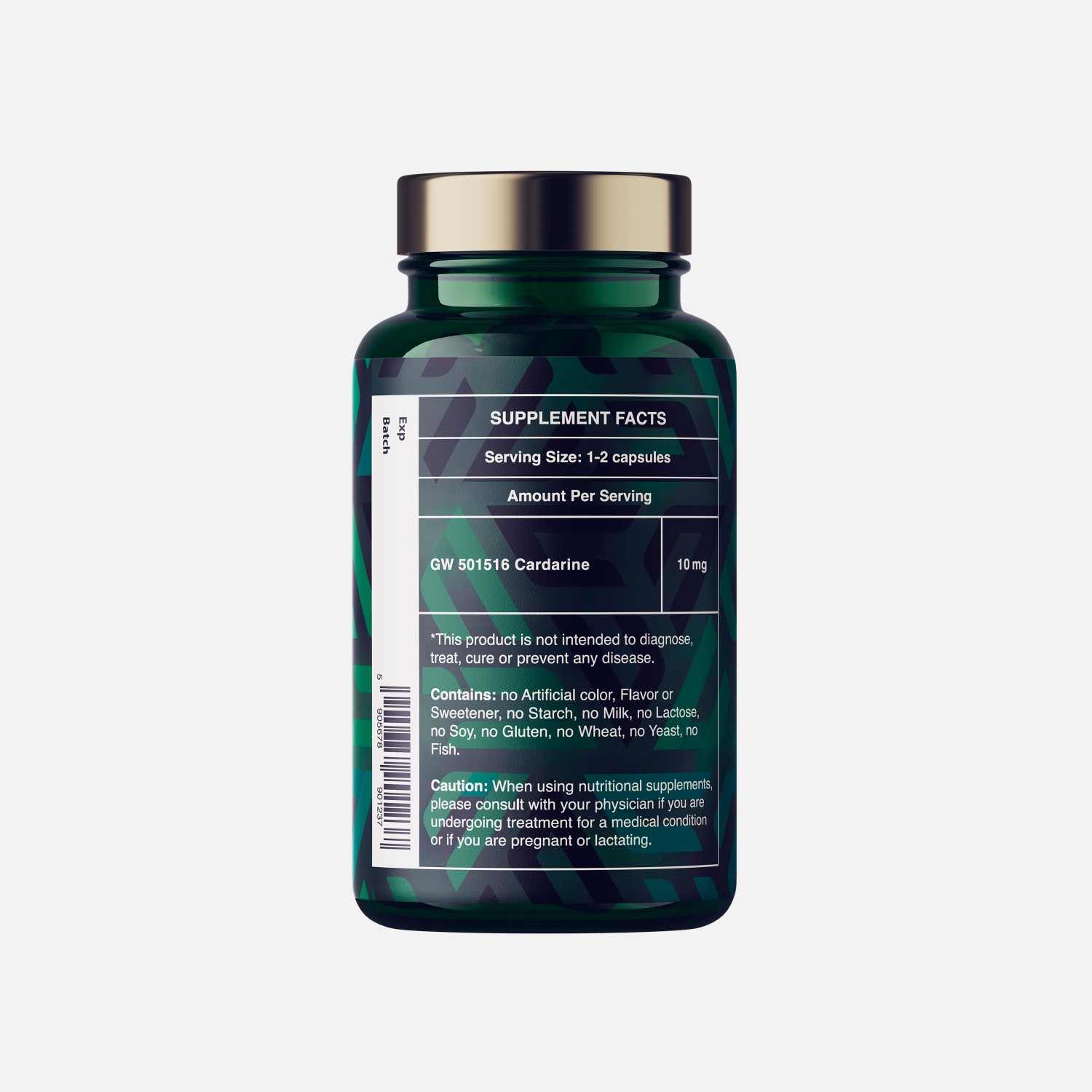
Cardarine (GW-501516) — Fat Burning and Endurance Booster
What is Cardarine?
Cardarine (GW-501516) is an experimental compound often discussed for endurance support and fat-loss–related effects. It is frequently mentioned by athletes during cutting phases for perceived improvements in stamina, cardiovascular performance, and fat oxidation.
Mechanistically, Cardarine is described as a PPARδ receptor agonist, which may influence how the body uses fat for energy and how endurance adapts during prolonged activity.
How does Cardarine work?
Cardarine is associated with activation of the PPARδ receptor, which is linked to changes in fat metabolism and endurance-related pathways. Reported effects are commonly summarized as:
- Increased fat oxidation — supporting a shift toward using fat as fuel during activity.
- Leaner physique support — discussed for potential assistance with body-composition goals.
- Endurance and stamina — commonly cited for improved aerobic capacity and delayed fatigue.
- Cardiovascular markers — often discussed in the context of lipids (LDL/HDL, triglycerides).
- Inflammation pathways — sometimes reported in relation to vascular inflammation markers.
Who might consider discussing it with a clinician?
- ✔ People aiming to improve endurance or body composition (as a discussion topic, not self-use).
- ✔ Individuals with concerns about cardiovascular health who want evidence-based guidance.
Safety notes (important)
GW-501516 is not approved as a medication in many jurisdictions and is often sold as a research chemical. Self-administration can carry health and legal risks.
- Potential adverse effects discussed include liver enzyme elevation, palpitations, headaches/dizziness, and fatigue.
- If someone has used or is considering use, they should seek medical advice and consider lab monitoring (e.g., liver enzymes, lipids) under professional supervision.
If you use performance-enhancing substances
Many performance-enhancing drugs can negatively affect cardiovascular risk (for example, by worsening lipid profiles and blood pressure). The safest approach is to avoid unsupervised combinations and consult a licensed clinician for screening and monitoring.