



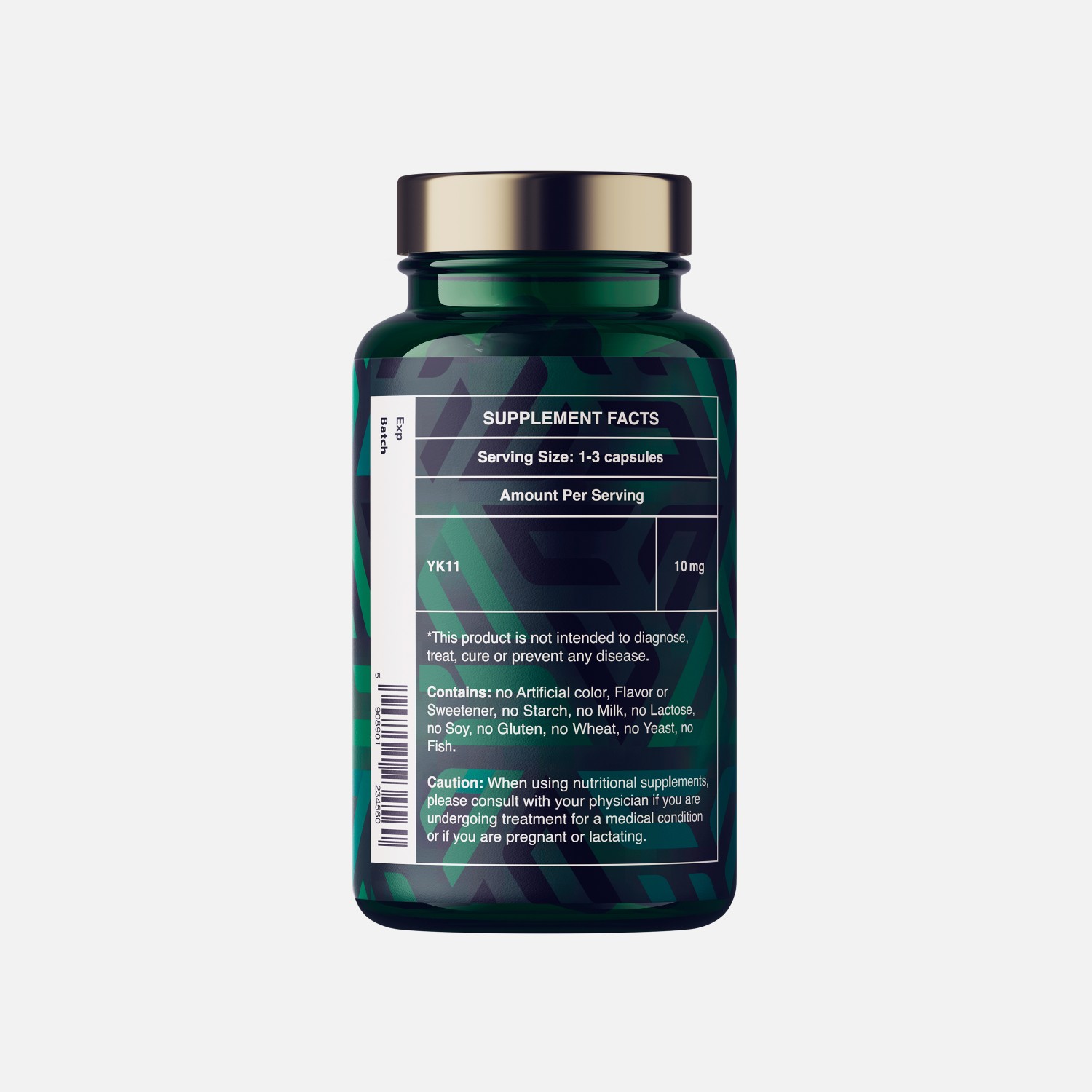
Myostine (YK-11) — Powerful Myostatin Inhibitor for Muscle Growth
What is Myostine
Myostine (YK-11) is often described as a potent myostatin-inhibiting SARM-like compound discussed for rapid muscle and strength gains. Myostatin is a negative regulator of muscle growth; reducing its activity is associated with increased muscle development.
YK-11 is commonly described as interacting with androgen receptors and influencing pathways related to myostatin, which is why it is discussed for pushing muscle development beyond what training alone typically achieves.
How does Myostine work?
YK-11 is primarily discussed for its potential to limit myostatin activity, a protein that naturally constrains muscle growth. By reducing myostatin signaling, it is proposed to allow greater muscle development. It is also described as binding to androgen receptors in muscle tissue, which may further support anabolic signaling.
Who might consider discussing it with a clinician?
- ✔ Individuals interested in the science of myostatin and muscle development.
- ✔ People with performance or body-composition goals who want evidence-based risk/benefit guidance.
Safety notes (important)
YK-11 is not approved as a medication in many jurisdictions and is often sold as a research chemical. Self-administration may involve health and legal risks.
Potential risks discussed include hormonal suppression, mood changes, joint/ligament strain (especially if strength increases faster than connective tissue adapts), and possible liver strain reported anecdotally. Anyone who has used or is considering use should seek medical advice and consider appropriate lab monitoring under professional supervision.
Side effects
- Possible testosterone suppression and related symptoms.
- Joint pain or ligament stress in some reports.
- Aggression or mood swings in some individuals.
- Liver strain / elevated liver enzymes reported with prolonged use.
- Fatigue or headaches in some users.
General cycle-risk management (non-prescriptive)
Consult a healthcare professional before using any non-prescribed performance-enhancing compounds. Regular clinical evaluation and lab tests (for example, liver enzymes, lipids, and hormones) can help identify risks early. Avoid combining multiple substances without medical supervision.