

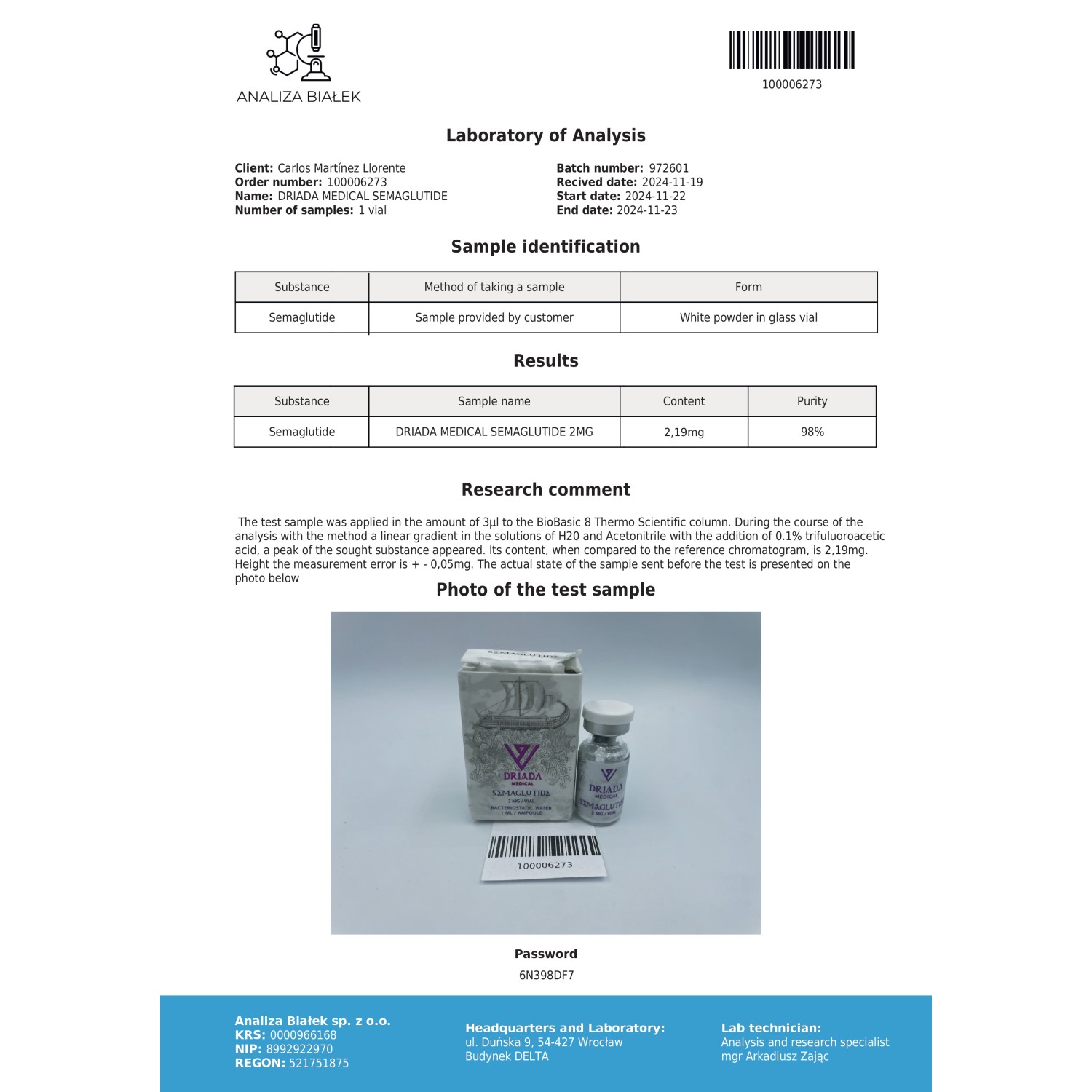
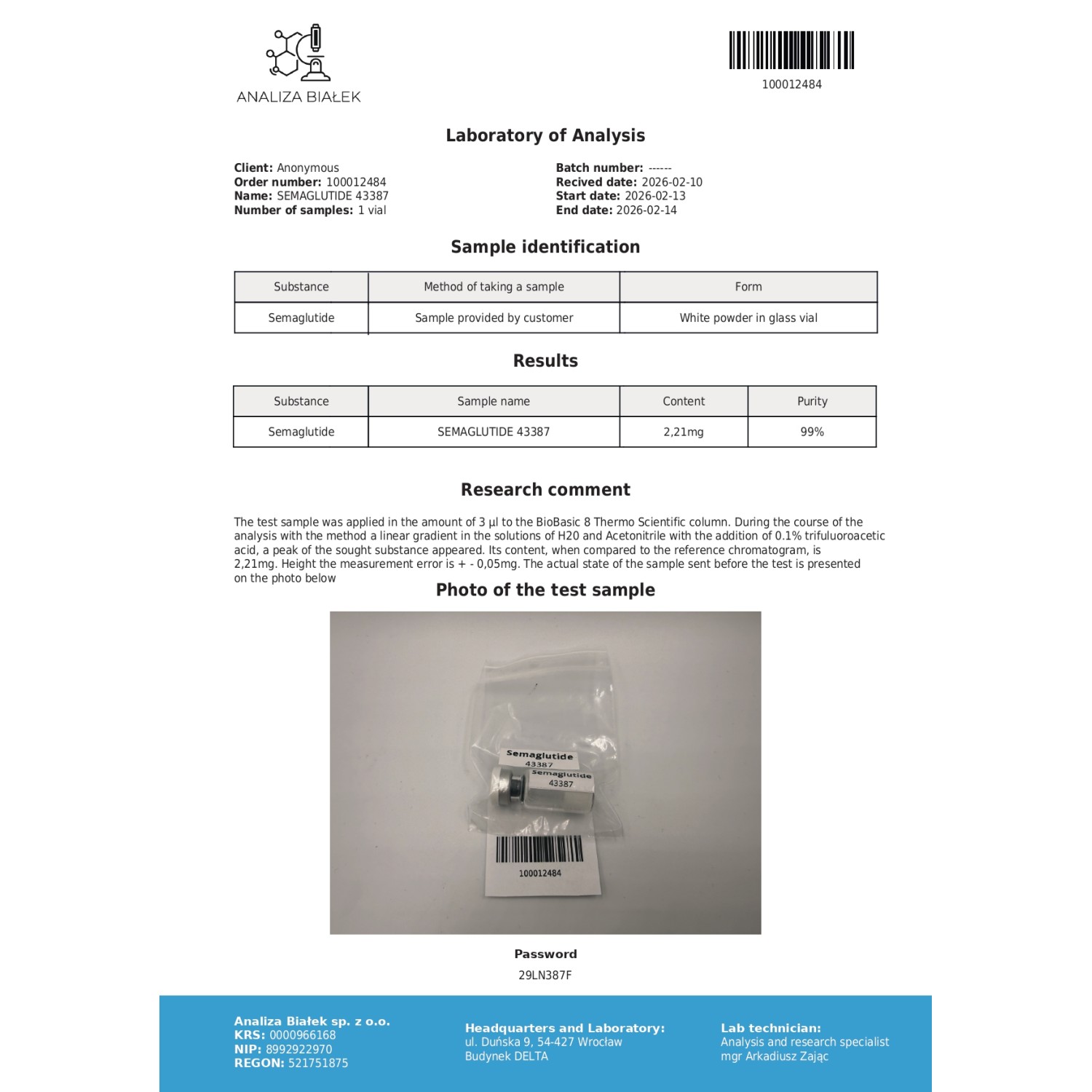
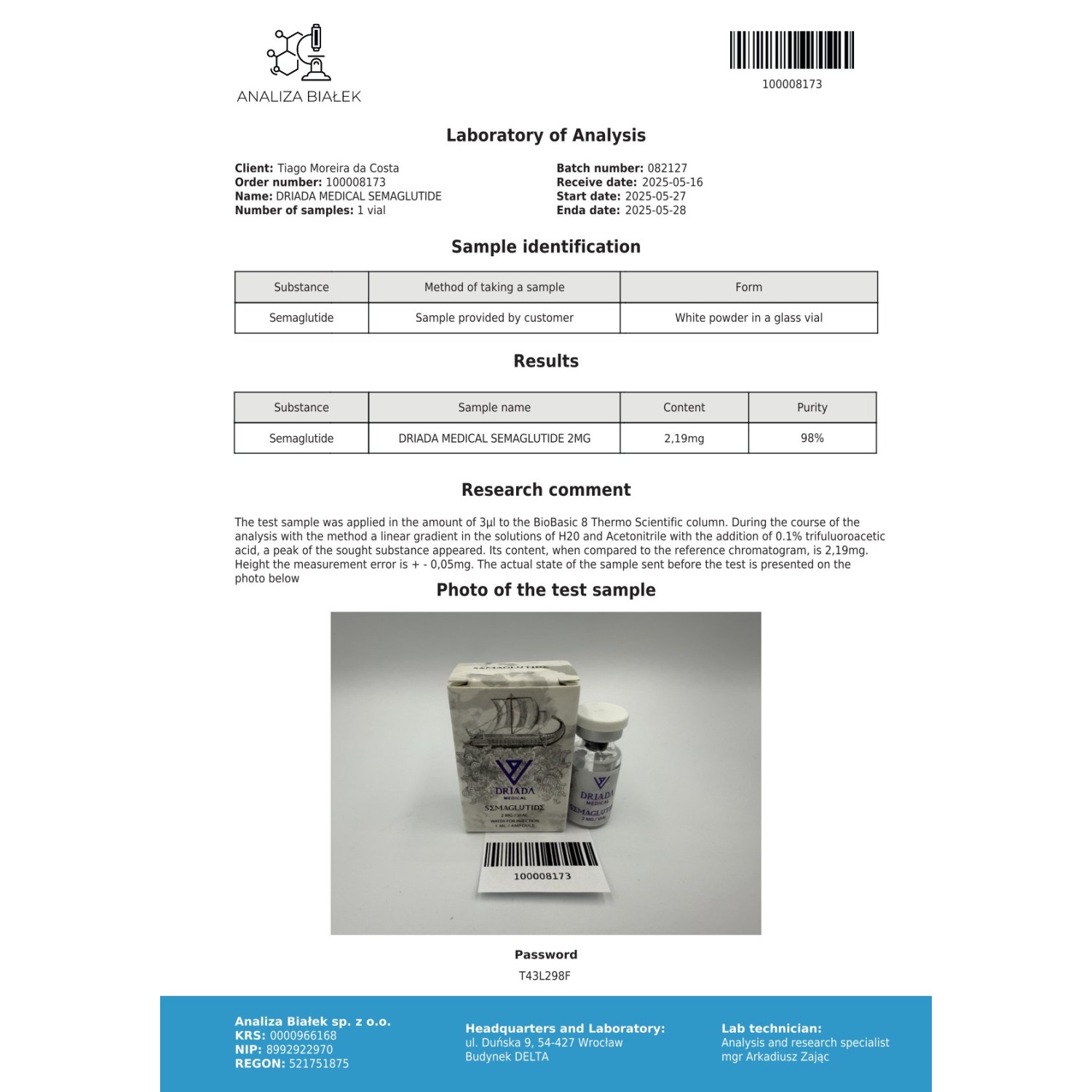
- Stock: In Stock
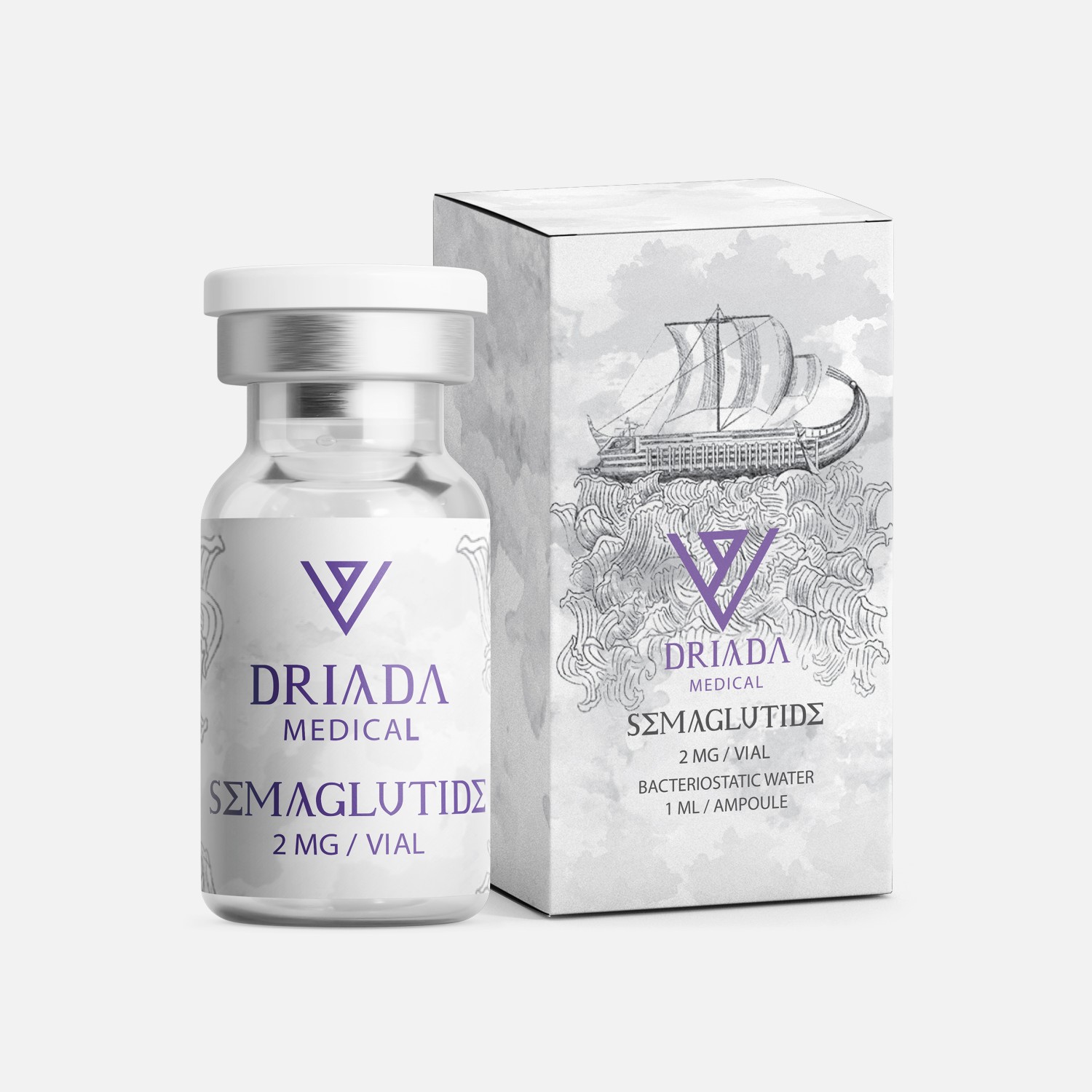
- Package: 2mg/vial+water
Composition: semaglutide 2 mg.
Category: peptide.
Purpose: weight management, appetite regulation.
Form: vial with 2 mg lyophilized powder + 1 ml ampoule of bacteriostatic water for reconstitution.
Administration: subcutaneous injection.
What is Semaglutide?
Semaglutide is a peptide-based GLP-1 receptor agonist developed to help manage body weight and improve metabolic health. Initially introduced for the treatment of type 2 diabetes, it has gained widespread attention for its powerful appetite-reducing and weight-lowering effects. Semaglutide mimics the action of the gut hormone GLP-1, which naturally regulates satiety and glucose levels.
Main effects of Semaglutide
🍽 Appetite regulation — semaglutide reduces hunger signals from the brain and slows gastric emptying, allowing food to remain longer in the stomach. This leads to a stronger and longer-lasting sense of fullness after meals.
🩸 Blood sugar control — the drug enhances insulin secretion in response to food while suppressing glucagon, helping stabilize both fasting and post-meal glucose levels, particularly in people with insulin resistance or prediabetes.
⚖️ Weight reduction — by promoting satiety and reducing overall calorie intake, semaglutide contributes to gradual and sustainable fat loss, without the need for extreme diets.
🫀 Metabolic and cardiovascular support — weight loss achieved through semaglutide use is often accompanied by improvements in blood pressure, cholesterol levels, and inflammatory markers, lowering the overall metabolic burden on the body.
How to take Semaglutide?
Semaglutide comes in a vial containing 2 mg of lyophilized powder. It must be reconstituted using the provided bacteriostatic water before use. You can read detailed instructions on how to prepare peptides and perform injections HERE.
Dosage schedule
| Week | Weekly Dose | Notes |
|---|---|---|
| 1–4 | 0.25 mg | Starting dose. |
| 5–8 | 0.5 mg | Gradual increase to therapeutic range. |
| 9–12 | 1.0 mg | Standard treatment dose for weight management. |
| 13+ | 2.0 mg | Maximum dose, for those who need greater appetite control and tolerate lower doses well. |
- Always inject on the same day each week. If a dose is missed, take it within 4 days; otherwise, skip and resume the regular schedule.
- If nausea or fatigue occurs, don’t increase the dose — wait or take a one-week break.
- No need to raise the dose if your current one works and you feel fine. Go higher only if it's not helping and there are no side effects.
Precautions
- Do not use it if you or a close relative has a history of medullary thyroid cancer or MEN2 syndrome.
- Not recommended during pregnancy or breastfeeding.
- Avoid combining with other GLP-1 receptor agonists like Tirzepatide and Retatrutide.
Possible side effects
- Nausea, especially during the initial weeks.
- Loss of appetite.
- Mild bloating or indigestion.
- Occasional fatigue or headache.
- Rare: increased pancreatic enzymes, abdominal discomfort, gallbladder issues.
How to store?
- Keep the product refrigerated at 2–8 °C (36–46 °F).
- Do not freeze.
- Protect from light.
- Avoid frequent temperature changes (e.g., repeated removal from the fridge).
- Once reconstituted, keep refrigerated and use within approximately one month.
Semaglutide vs Tirzepatide vs Retatrutide
Semaglutide, Tirzepatide, and Retatrutide all belong to the same drug class — they target hormones involved in appetite, glucose regulation, and energy balance. But they differ fundamentally in how they work, and studies show differences in clinical outcomes.
In short:
- Semaglutide acts on one receptor (GLP-1).
- Tirzepatide targets two (GLP-1 and GIP).
- Retatrutide activates three (GLP-1, GIP, and glucagon).
| Drug | Receptors activated | Main effects | Average weight reduction (clinical data) |
|---|---|---|---|
| Semaglutide | GLP-1 | Appetite suppression, slower gastric emptying, glucose control. | Up to ~15% over 68 weeks. |
| Tirzepatide | GLP-1 + GIP | Appetite, glucose, insulin response, fat metabolism. | Up to ~22.5% over 72 weeks. |
| Retatrutide | GLP-1 + GIP + glucagon | All above + energy expenditure and enhanced fat burning. | Up to ~24% over 48 weeks. |
FAQ
Does Semaglutide affect muscle mass during weight loss?
If you drastically cut calories and lose weight, you may lose muscle mass. To maintain muscle mass, it's important to start with a minimal dose, avoid a large deficit, exercise, and consume enough protein.
Does Semaglutide help with insulin resistance caused by PCOS?
Yes, studies show that Semaglutide may improve insulin sensitivity and help with weight loss in women with PCOS (polycystic ovary syndrome).
Can I drink alcohol while using Semaglutide?
This is usually not a problem unless you consume very large amounts, but the effects of alcohol may be stronger when taken with semaglutide, and semaglutide may also reduce cravings for alcohol.