
- Stock: In Stock
- Package: 2mg/vial+water
Recommended with this product
Lowers blood glucose, speeds up metabolism,
View more
A great tan without the beach, sun,
View more
Clen + Yohimbine cycle: A classic combination that can be
View more
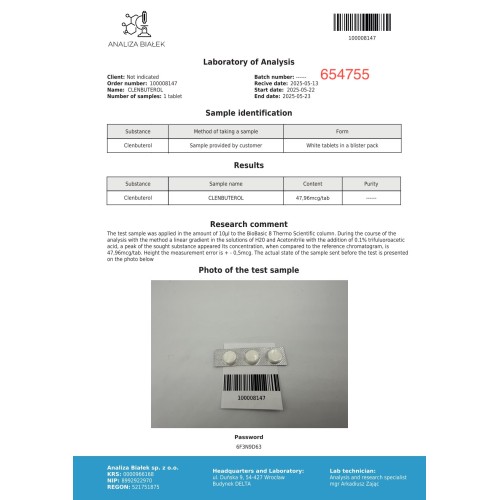
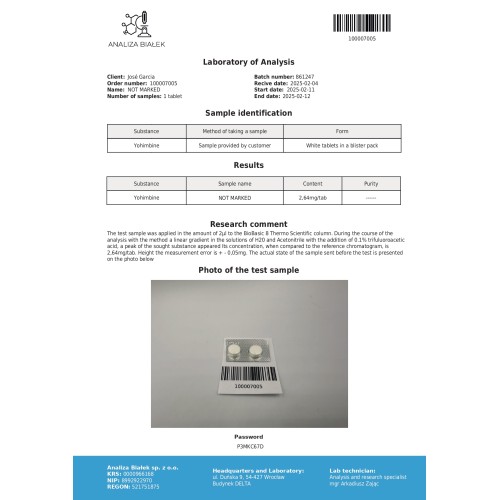
Clen + Yohimbine cycle: A classic combination that
View more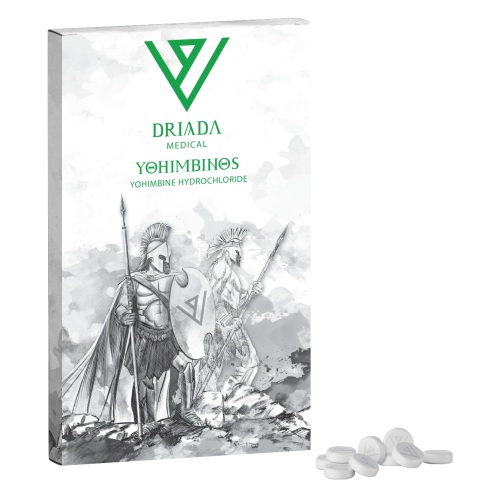
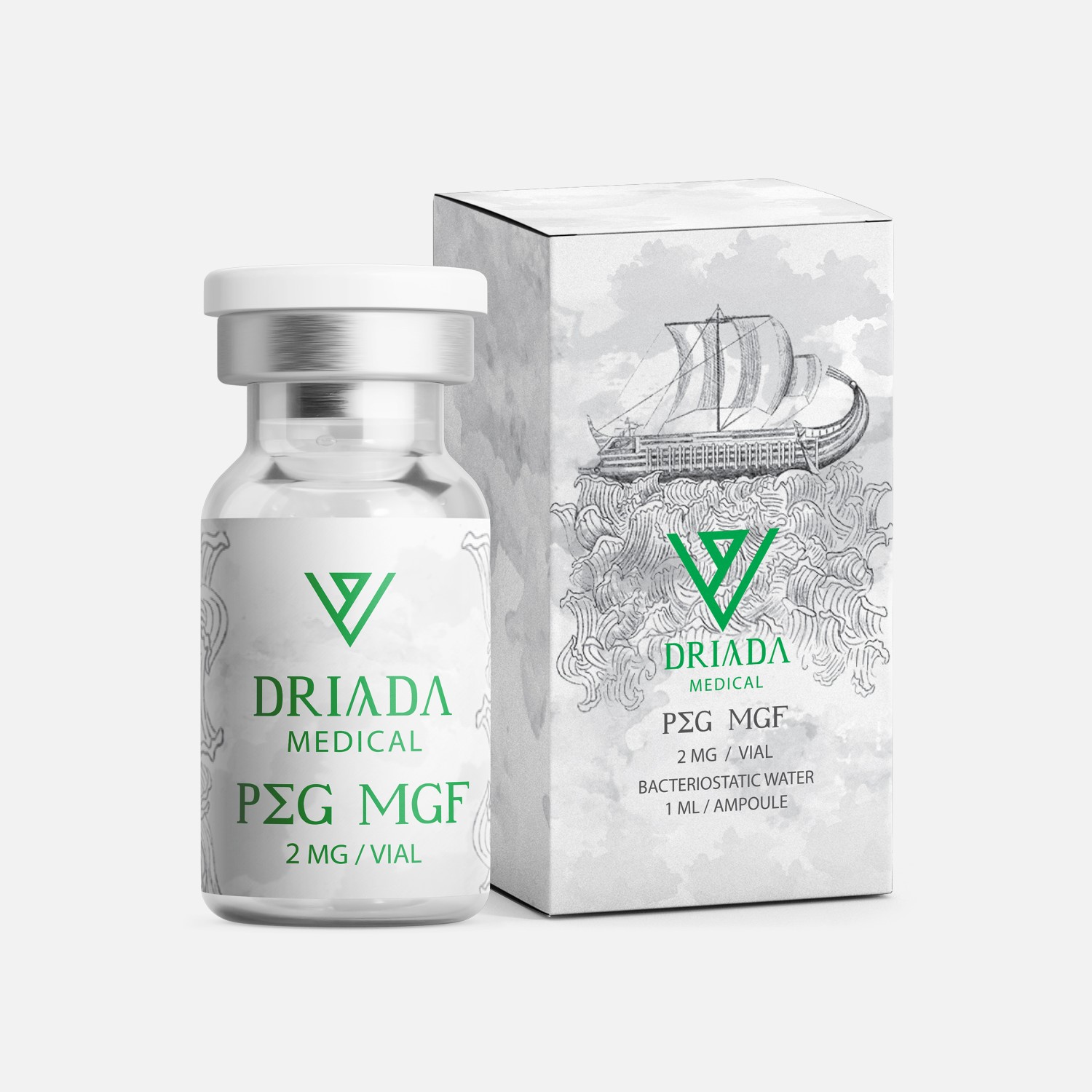
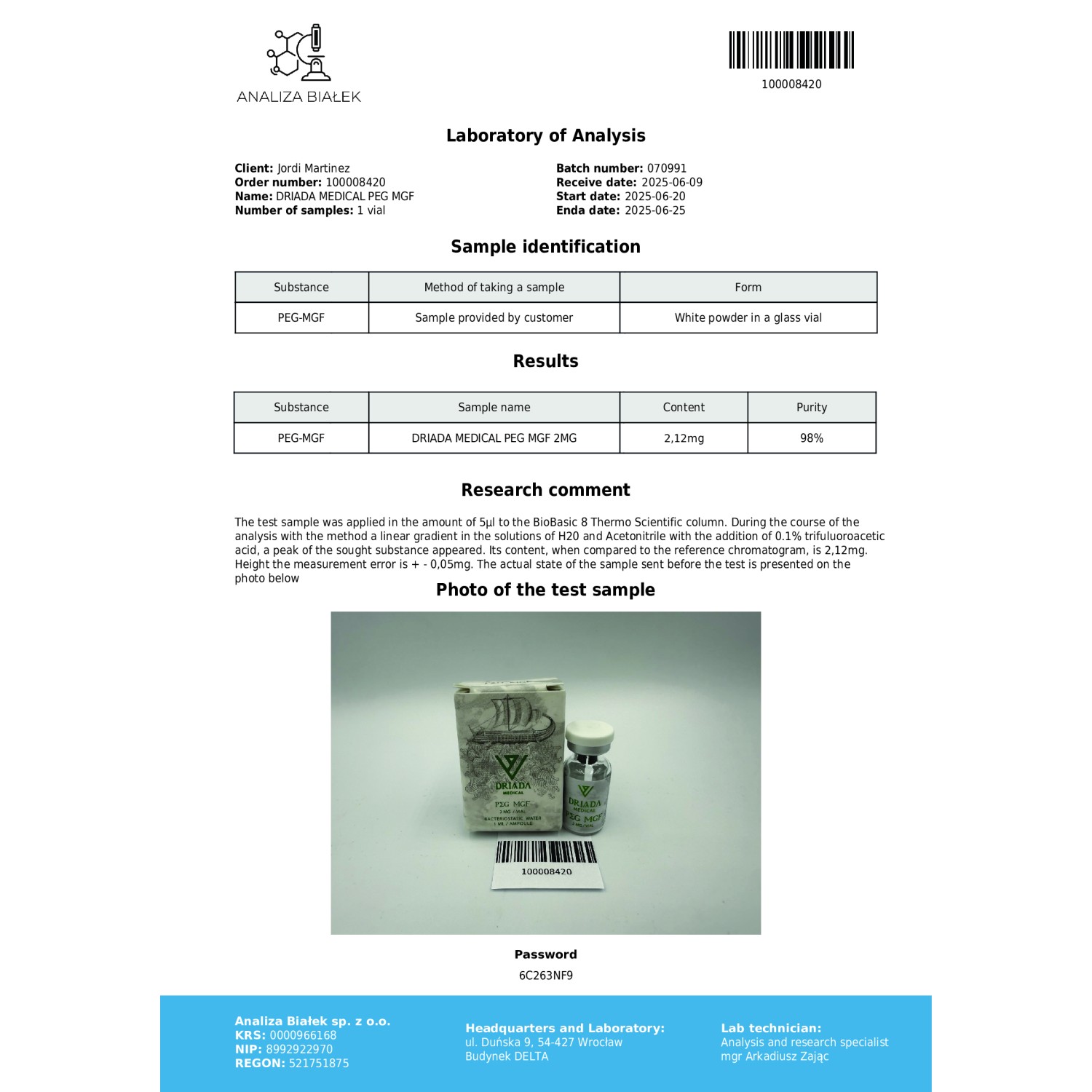
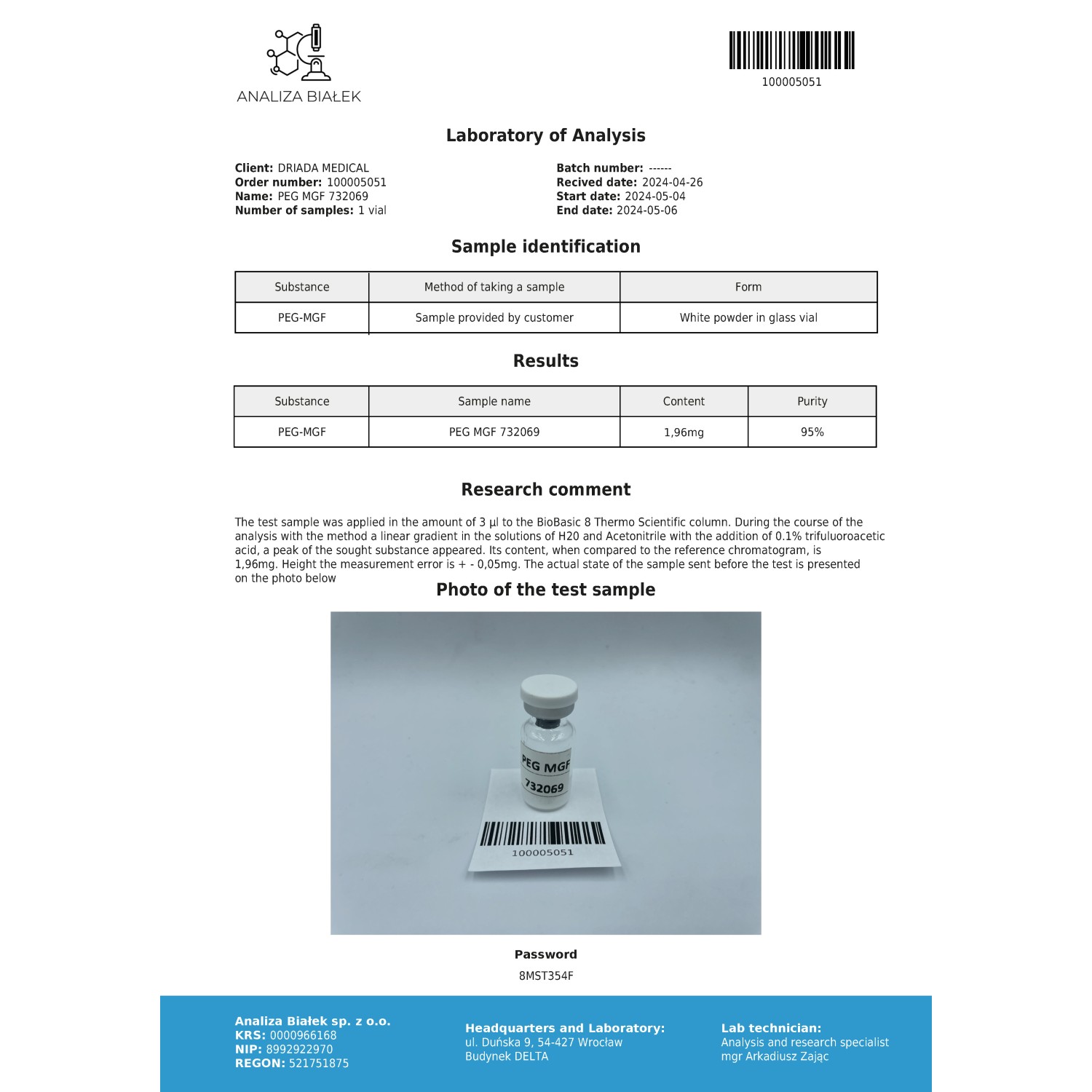
- Composition: PEG-MGF (PEGylated Mechano Growth Factor) 2 mg.
- Category: peptide.
- Purpose: muscle growth (hyperplasia), post-workout recovery, injury and tissue repair.
- Form: vial with 2 mg of lyophilized powder + 1 ml ampoule of bacteriostatic water for reconstitution.
- Administration: subcutaneous injections.
What is PEG-MGF?
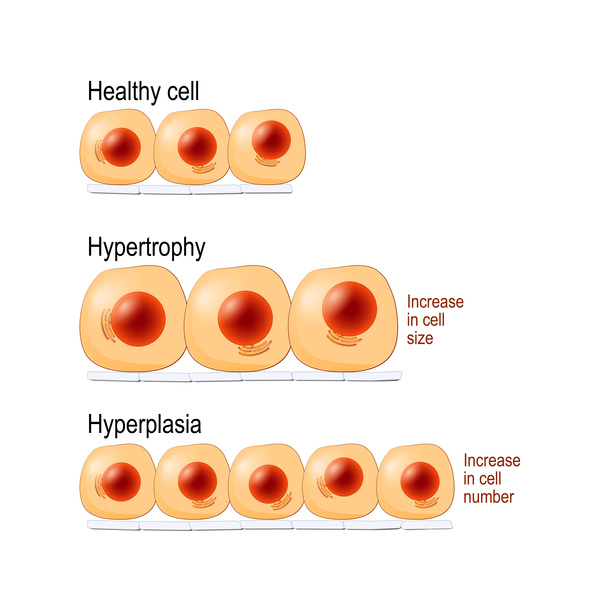
PEG-MGF (PEGylated Mechano Growth Factor) is a peptide designed to stimulate muscle recovery and growth. It activates the process of hyperplasia — an increase in the number of muscle cells, which distinguishes it from conventional anabolic steroids, which mainly cause only hypertrophy (an increase in the size of existing cells). The PEG modification prolongs its action in the body, making it more stable and effective during course use.
It is most often used during active training, especially after intense exercise, to speed up recovery, support lean muscle gain and improve regeneration after microtrauma. Can also be used after training breaks or injuries to get back into shape faster. Suitable for both advanced athletes and those working to improve recovery without excessive fluid retention or extreme hormonal stress.
Main effects
📈 Stimulates the growth of new muscle cells (hyperplasia).
🛌 Accelerates recovery after workouts.
🔧 Supports muscle tissue regeneration.
💪 May help you gain lean muscle mass faster.
🏋️♀️ Increases muscle adaptation to physical activity.
📉 Reduces the risk of overtraining.
🩹 May aid in recovery from injury or long layoffs.
Usage guidelines
This peptide comes in a vial containing 2 mg of lyophilized powder.
If you are buying PEG-MGF peptide for the first time, keep in mind that it is better to purchase additional bacteriostatic water, since 1 ml may not be enough if you want to start with minimal dosages.
It is most convenient to dilute the peptide in 2 ml of bacteriostatic water.
Example of protocol
| Administration method | Subcutaneous injection (near the trained muscle) or systemic (in the abdominal area). |
| Typical dosage | 200–400 mcg per injection. |
| Maximum dose | Up to 800 mcg per injection (for experienced users only). |
| Frequency of use | 2–4 times per week (after workouts). |
| Timing of injection | Within 30–60 minutes after finishing the workout. |
| Cycle duration | 4–6 weeks. |
| Break between cycles | Minimum 4 weeks. |
| How to increase the dose | Increase by 100 mcg each week if no side effects occur. |
Popular combinations
| Stack | Purpose |
|---|---|
| With IGF-1 LR3 | Long-acting anabolic support: promotes lean muscle growth, speeds up recovery, improves nutrient use. |
| With CJC-1295 + Ipamorelin | Synergistic GH boosters: improve recovery, sleep, fat metabolism, and tissue repair. |
| With BPC-157 + TB-500 | Full-body injury recovery: accelerates healing of tendons, joints, nerves, and gut. |
Precautions — What to keep in mind?
- Start with 100–200 mcg, increase gradually.
- Inject no more than 4 times a week.
- Only after training, not on rest days.
- Avoid the same injection sites.
- The course is no longer than 6 weeks without a break.
- In case of adverse reactions, reduce the dose or stop the course.
Possible side effects
- Swelling of soft tissues.
- Fatigue, lethargy.
- Headaches.
- Numbness or tingling in the extremities.
- Temporary decrease in blood sugar levels.
- Sleep disorders (less common).
- Receptor adaptation (decreased sensitivity with frequent use).
How to store?
- Store the lyophilisate (powder) in a cool place away from light before reconstitution. The expiration date is indicated on the packaging.
- After reconstitution, store in the refrigerator at 2–6 °C, avoiding freezing. It can be stored for about a month under sterile conditions.
How does PEG-MGF work?
MGF is one of the isoforms of IGF-1, that is, a variant of the same molecule that differs in structure and function.
An Isoform is an alternative version of a protein that the body can create from the same gene, depending on the situation.
What is IGF-1 and why is it needed?
IGF-1 (Insulin-like Growth Factor 1) is a hormone that is produced in the liver (in response to growth hormone) and acts as the main mediator of anabolic processes in the body. It stimulates muscle growth, bone growth and tissue repair, enhances protein synthesis and helps cells divide and grow.
What is MGF and how is it different from IGF-1?
IGF-1 acts long-term and systemically, and MGF acts locally and briefly, and is produced directly in the muscle after exercise or damage. Its task is to trigger emergency recovery and growth of new muscle cells (hyperplasia).
Why do we need PEG?
In its natural form, MGF is extremely unstable — it breaks down quickly in the blood.
The addition of a PEG group (polyethylene glycol) makes the molecule more stable and prolongs its circulation in the body, allowing it to work more efficiently and longer. This is how PEG-MGF appears — an active form suitable for injection use.
How does PEG-MGF work?
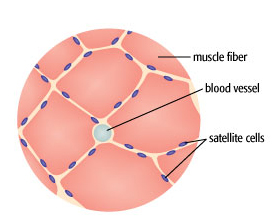
After a power load, microdamages appear in the muscles. The body responds by releasing MGF, including PEG-MGF when injected, which activates satellite cells, which are dormant muscle stem cells located around skeletal muscle fibers.
When they are activated, they divide and fuse with damaged muscle fibers, strengthening them and increasing their volume. And some of them can even create new muscle cells, which gives the effect of hyperplasia — a rare process that ordinary anabolic steroids do not cause.
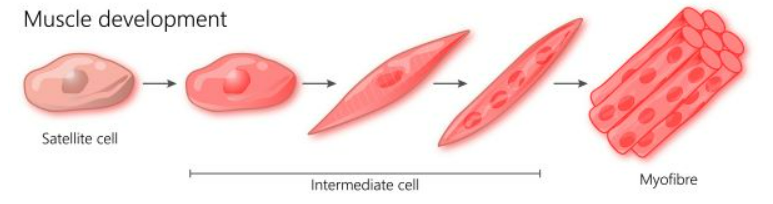
The peptide also helps reduce inflammation and slow down apoptosis — the process of death of damaged cells. This is important especially when cutting, during hard training or in recovery from injury.
What is the difference between hyperplasia and hypertrophy?
Hypertrophy is an increase in the size of existing muscle fibers, causing the muscles to become larger and more visually noticeable. This is what happens to most trainees: a rapid increase in volume, strength and a “pumped up” look.
Hyperplasia, on the other hand, is a rarer process in which the number of muscle cells increases, and not just their size. This produces deeper, more structural growth, increases overall muscle strength potential, improves load adaptation, and allows the body to progress even after reaching a plateau. Hypertrophy works for quick results, while hyperplasia works for long-term power, endurance and functionality.
FAQ
When is it better to inject PEG-MGF — before or after training?
Optimally — within 30–60 minutes after training, when the muscles are most susceptible to recovery.
Can peptide be injected into the stomach, or necessarily into the muscle?
You can inject subcutaneously into the stomach, but for a local effect it is better to inject next to the loaded muscle. If this is not done, the peptide may not cause the desired effect.
PEG-MGF increases strength or just speeds up recovery?
First of all, it accelerates the recovery and growth of muscle cells, strength grows indirectly over time.
When will the effect of PEG-MGF be noticeable?
The first sensations may appear after 1–2 weeks, a pronounced effect — after 4–6 weeks of the course.
Can I stack it with other compounds?
Yes, PEG-MGF stacks well with both peptides and AAS (anabolic-androgenic steroids) depending on your goal. For recovery and muscle growth, it’s commonly combined with IGF-1 LR3, CJC-1295 + Ipamorelin, BPC-157, or TB-500. For advanced users, it can complement AAS cycles by enhancing cellular repair and supporting muscle hyperplasia. You can buy PEG-MGF in our store, along with other compounds that stack perfectly with it for muscle growth, recovery, or performance enhancement.
Our Customers Reviews
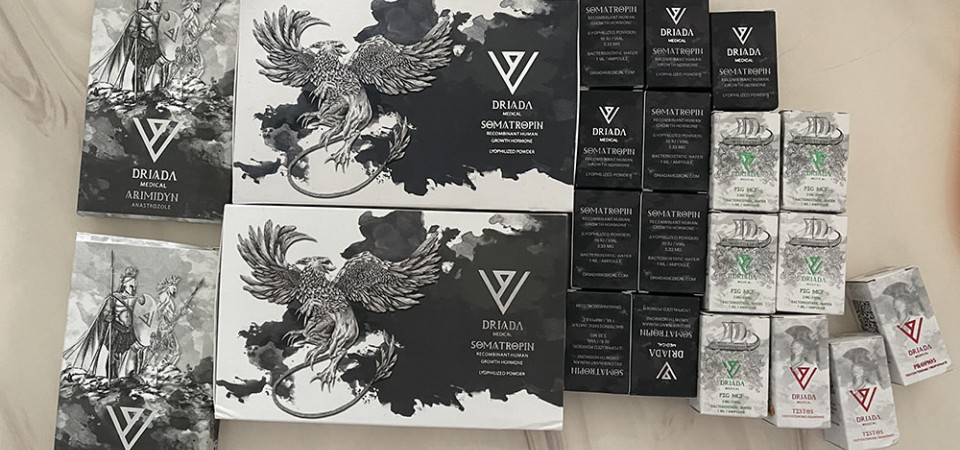
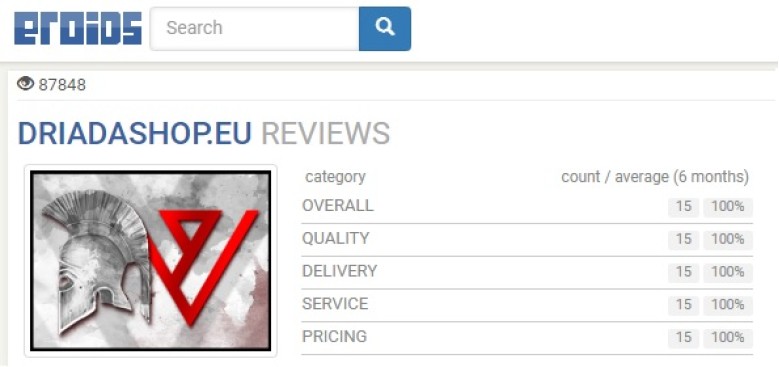
 Independent reviews on peds.topeds.to is an independent community forum — see the feedback its members posted about this product. Read →